





Plimpton-322: Data Architecture Studio

We work at the intersection of culture, technology, and trust.

Our projects help institutions, researchers, and policymakers to restructure digital data infrastructures — not to collect more data, but to restore meaning to what already exists.

A data architecture studio is the place where technology and meaning meet. Where data flows are designed with attention to context, provenance, and trust. And where transparency is not a marketing term, but a form of craftsmanship.

At P-322 Consultancy, we build digital infrastructures that not only function, but also understand why they exist — and for whom.

About us

From tablet to table

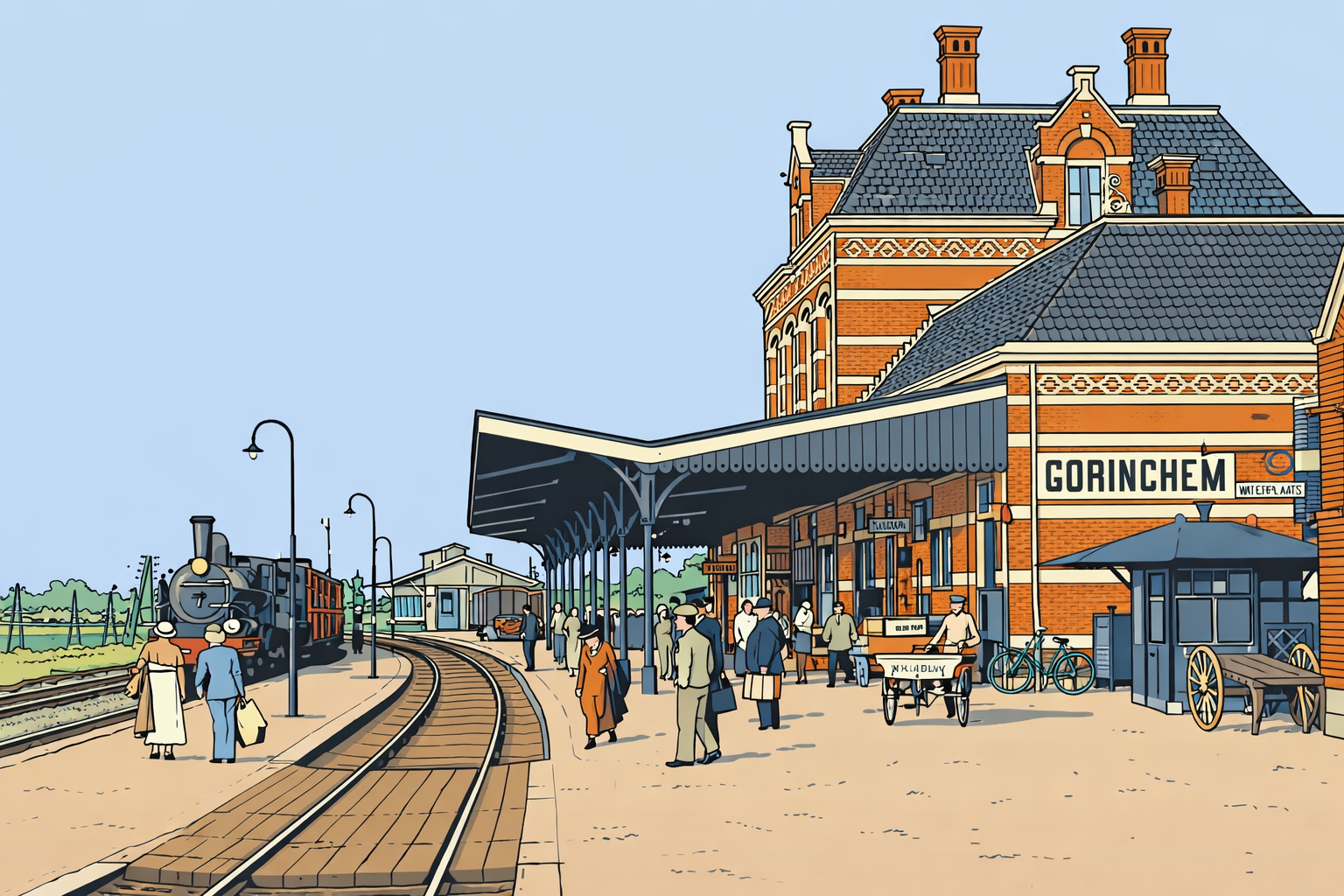
The name Plimpton-322 comes from a Babylonian clay tablet over 3,700 years old: one of the oldest known datasets in tabular form. The scribes of that tablet did not hide their knowledge — they made it visible, careful, and durable. That attitude forms our core.

We believe that the future of digital systems lies not in complexity, but in clarity. That data architecture is not only a technical matter, but also a cultural one. And that insight is the only true foundation of trust.

People

Thirty years of pioneers

Plimpton-322 was founded by Gertjan Filarski and Jauco Noordzij, two pioneers in European research and heritage infrastructures. Together they bring more than thirty years of experience in the world of open data, semantic technology, and digital preservation.

What unites them is a rare combination of precision and imagination: they think like engineers but feel like heritage people. Their collaboration rests on one conviction — that trust does not arise from control, but from clarity.

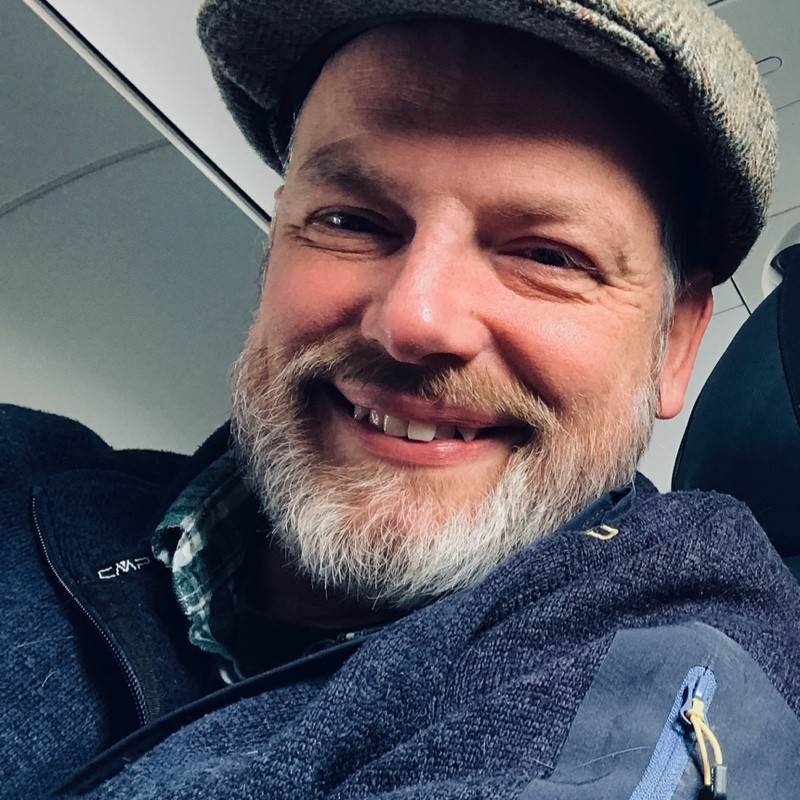
Gertjan Filarski

Gertjan Filarski

Founder

Gertjan is a software developer, historian, and economist. He helped build the digital infrastructure of the Royal Netherlands Academy of Arts and Sciences – Humanities Cluster (KNAW-HUC) and served as technical director of CLARIAH — the Netherlands’ largest research infrastructure for the humanities. His expertise lies in designing semantic data flows and knowledge graphs that bridge museums, archives, and research.

Jauco Noordzij

Jauco Noordzij

Founder

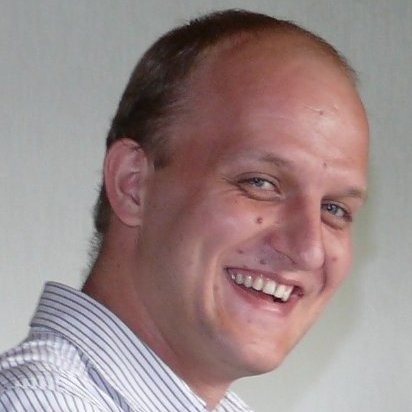
Jauco is a computer scientist and software architect with a background in data integration and heritage informatics. He has worked on multiple Dutch and European projects, including CLARIAH, and focuses on translating conceptual models into reliable, lightweight, and reusable software components.

Knowledge

Insights. Without Noise.

Sustainable links: why not everything that lasts should do everything
Gertjan FilarskiGertjan Filarski

Sustainable links: why not everything that lasts should do everything

Sustainable links sound like a technical choice until you realise the real problem is organisational: one infrastructure expected to support archiving, scholarly citation, and marketing at the same time. This blog walks through Handle, DOI, ARK, and even PURL—but above all through the underlying question: what are you allowed to promise permanently, and what do you only want to measure temporarily? The outcome is a surprisingly simple design rule: separate identity from attention.

Read more...
Names That Endure: Persistent Identifiers Without the Illusion of Eternity
Gertjan FilarskiGertjan Filarski

Names That Endure: Persistent Identifiers Without the Illusion of Eternity

Links feel like concrete, until they suddenly turn to sand. In heritage data, that is not a detail but a risk: what works today may vanish tomorrow due to a new vendor, a reorganisation, or a change in leadership. In this blog, I show why a URL is not a promise, what a PID does deliver, and how minimal, sober infrastructure can build trust - without illusions of eternity. If your collections need to outlive your organisation, this is worth reading.

Read more...
The Art of Getting Lost with AI
Gertjan FilarskiGertjan Filarski

The Art of Getting Lost with AI

In my attempt to install a simple analytics tool, I got tangled in a chain of seemingly plausible AI suggestions — each just convincing enough to continue. What began as a fifteen-minute task turned into hours of trying, correcting, and hoping the next step would work. It became a lesson in how language models simulate confidence, how easily you get swept along, and how important it remains to verify every step yourself.

Read more...
Contact

Send a message...