 Gertjan Filarski
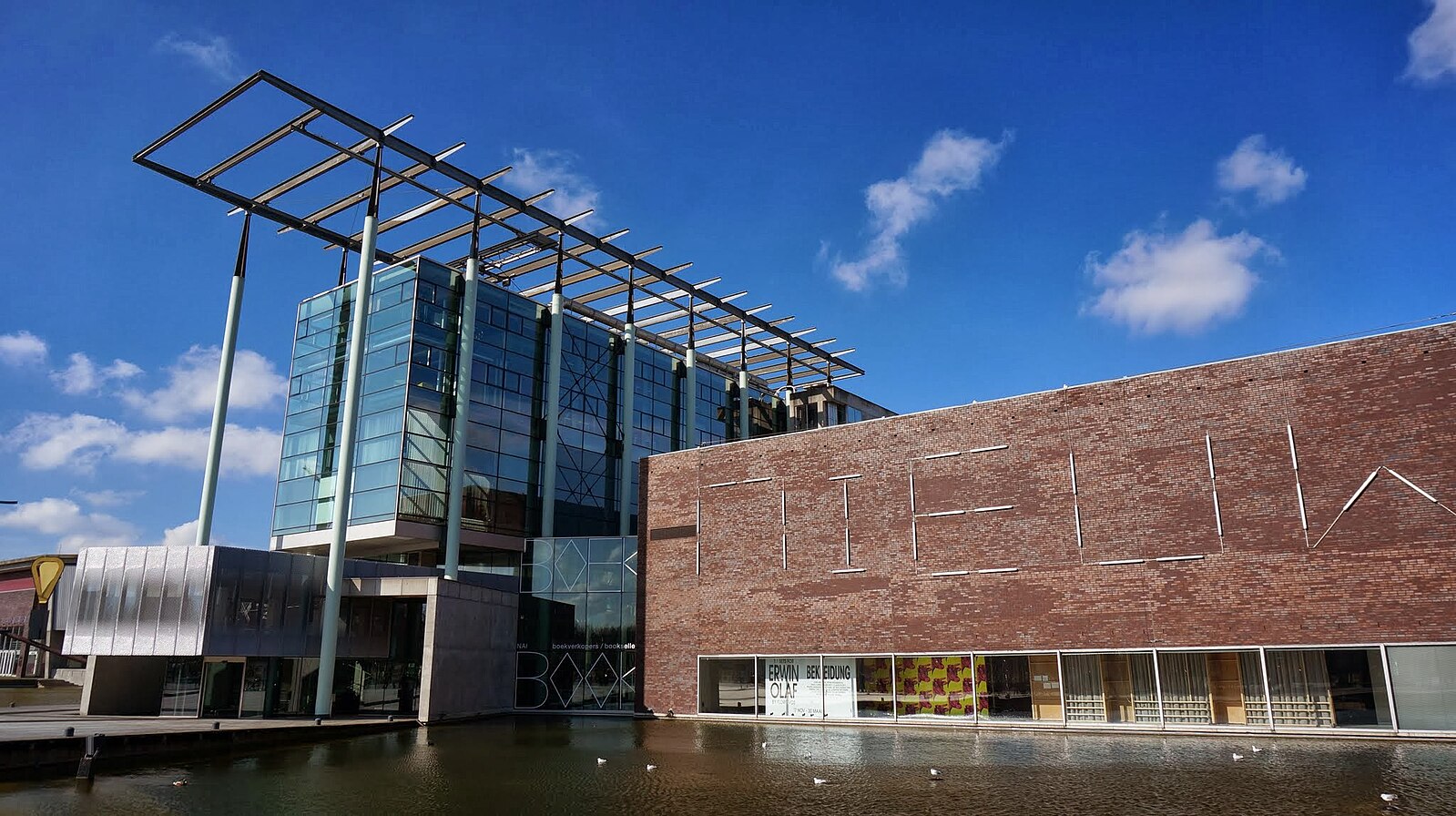
Digital infrastructure rarely sounds sexy. But anyone who looks under the hood of The Other Interface (TOI) — the platform through which the Nieuwe Instituut makes its collections visible — will see something remarkable: a laboratory for the future of digital heritage in the Netherlands.
A Quickscan we carried out this summer shows that the Nieuwe Instituut is not merely “participating” in the Dutch Digital Heritage Network (NDE): it is pioneering. While other institutions struggle with standards, interoperability, and the transition to open linked data, the Nieuwe Instituut already has a fully functioning infrastructure up and running. And it does so with a small but highly motivated team compared to other NDE hubs.
From DERA to DOING
The Quickscan did not evaluate code or servers, but rather the strategic embedding of the platform within the framework of the Digital Heritage Reference Architecture (DERA). What stands out is that the Nieuwe Instituut has achieved something others still talk about — a working service platform that makes the principles of the National Strategy for Digital Heritage (NSDE) tangible.
The analysis shows how the institute is evolving from a traditional heritage organisation into a central node in the network of digital culture — not only by digitising its own collections, but also by building infrastructure that fosters collaboration with other networks, such as the Network Archives Design and Digital Culture (NADD).
That is exactly what DERA envisions: a landscape in which institutions do not duplicate but connect. Where sources are sustainable, and services are temporary, agile, and user-oriented.
Smart Separation, Strong Collaboration
One of the key recommendations in the Quickscan is the explicit separation between source and service. That technical and organisational separation may sound dull, but in reality, it is revolutionary. It allows faster innovation without endangering the stability of the source infrastructure.
In practice, this means that the collection remains safely and sustainably managed in Axiell and Woodwing collection systems, while the services on top — such as TOI — are free to experiment with design, functionality, and user experience. The Nieuwe Instituut thus demonstrates how heritage data can be both agile and reliable.
Less Dependent, More Self-Aware
The scan also points out a real risk: dependency on specialised vendors. The Nieuwe Instituut needs to take up that challenge by investing in knowledge, collaboration, and open technology.
A plan to strengthen internal competences in infrastructure and data management shows that the institute takes its own role in the future of digital heritage seriously.
Not everything needs to be built in-house — but it does need to be understood. Only then can the Nieuwe Instituut truly become a model for other NDE hubs.
A Model for Networked Heritage
Perhaps the most visionary element in the report lies in its outward gaze. The TOI infrastructure could grow into a generic, white-label service platform that enables networks like NADD to make their collections accessible — including smaller partners who currently lack technical capacity.
That inclusive approach perfectly fits the mission of the Nieuwe Instituut: not only to preserve, but to connect. Not only to digitise, but to democratise.
The Netherlands as a Guiding Country
Internationally, there is growing interest in the Dutch approach to digital heritage.
What the Nieuwe Instituut demonstrates is that you don’t need large IT departments to put DERA principles into practice — what you need is vision, collaboration, and the courage to learn while building.
Support from the national government, of course, helps too.
The conclusion of the Quickscan is clear: in recent years, the Nieuwe Instituut has realised an infrastructure that is not only future-proof but also offers a blueprint for others in the field.
This is not an endpoint — it is a beginning. A signal that the Netherlands not only manages digital heritage but also shapes it.